Essentials
of Vedic Astrology Block 1: Static Horoscope
Lesson 1A: Celestial Mechanics
 |
 |
 |
 |
||||||
 |
 |
 |
|
||||||
 |
 |
 |
|
||||||
 |
|
||||||||
 |
 |
 |
|
||||||
 |
|
||||||||
 |
|
||||||||
 |
|
||||||||
Essentials
of Vedic Astrology Block 1: Static Horoscope
Lesson 1A: Celestial Mechanics
| |
|
|
|
||||||
| |
|
|
|
||||||
| |
|
|
|
||||||
| |
|
||||||||
| |
|
|
|
||||||
| |
|
||||||||
| |
|
||||||||
| |
|
||||||||
Lesson 1A: Celestial Mechanics
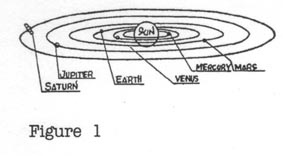
1) Our solar system, with the planets rotating on a particular plane. |
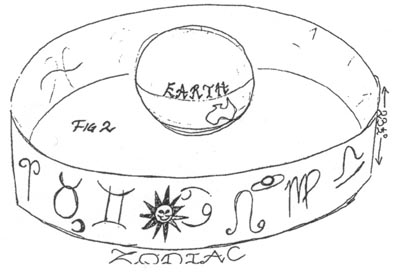
2) The Celestial highway - the constellations which are on the same plane as our solar system that influence us. These fall within a range of 23.5° |
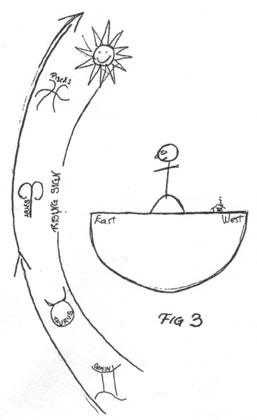
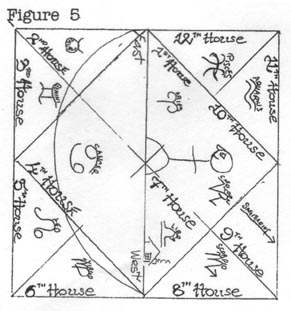
3) The Lagna (rising sign) is the sign on the Eastern horizon at the time of birth. |
4) Once the lagna is known, the house numbers of the other signs can be determined. |
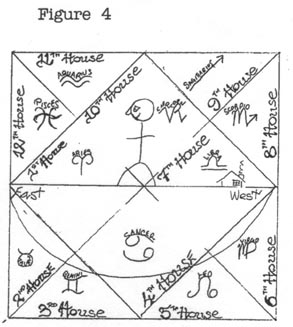
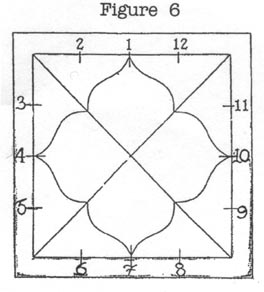
5) The chart is traditionally placed so the Lagna is on the top. |
6) A traditional chart display showing house numbers |
Essentials of Vedic Astrology - Lesson 1A - Celestial Mechanics ©2006 Astrosalon p/l